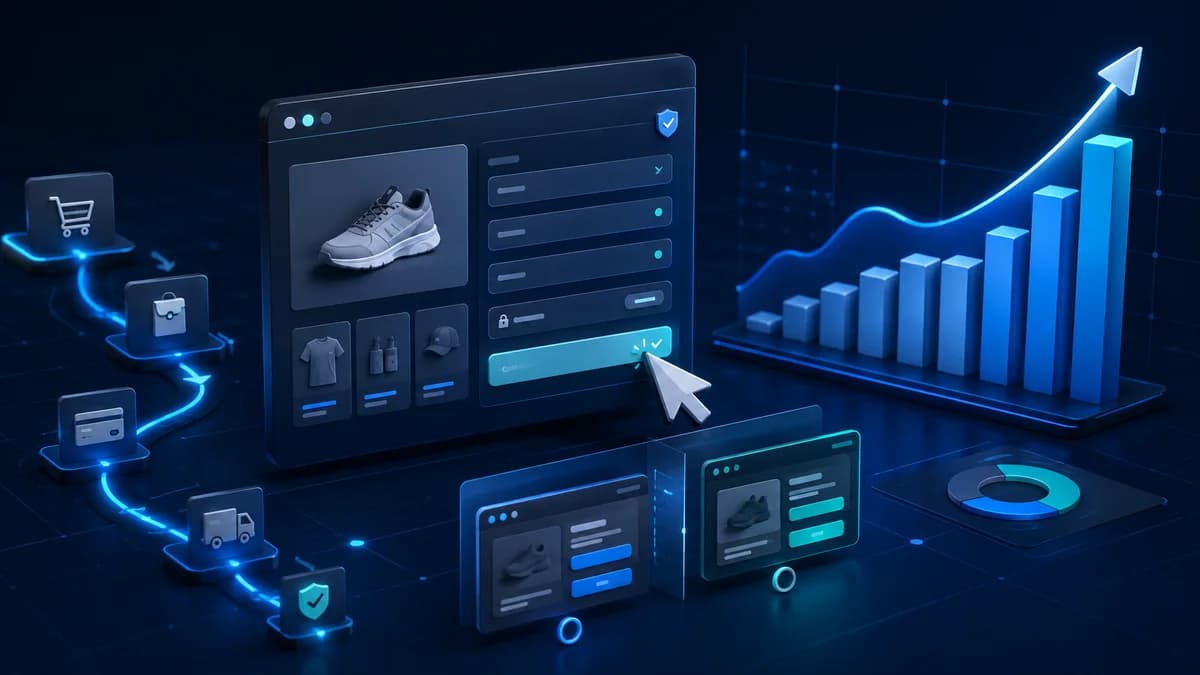

Facing a new product, buyers usually want to know whether someone like them has used it and how it went. Social proof lowers the sense of risk through other people's experience, behaviour or endorsement.
An anonymous five-star image, however, builds little trust. Good evidence needs context, relevance to the decision at hand and enough specificity for the reader to judge it themselves.
Forms of social proof that actually help
- Reviews with a name, role, situation and a specific outcome.
- Case studies describing the problem, the process, the limits and the data.
- Product demos or screenshots of real usage.
- Customer figures that have been verified and kept up to date.
- Certifications, partners or press coverage where you have the right to use the name and logo.
Place evidence next to the question it answers
A review about ease of use belongs near the guide or the demo. Evidence about support fits near the after-sales policy. A long case study can stand alone, but the landing page should quote the relevant part and link to the full version.
Ask for reviews in a way that is easy to answer
- 01
Pick the right moment
Ask just after the customer has completed a task or reached a noticeable result.
- 02
Suggest the questions
Ask about the situation before, what changed and which part they found most useful.
- 03
Get permission to publish
State clearly whether you will use their name, photo and company, or quote them anonymously.
- 04
Preserve the meaning
You may edit for length, but the customer must confirm it and the substance must not change.
Practices that cost a website credibility
- Generic reviews with avatars taken from stock photo libraries.
- Customer or purchase counters with no real data behind them.
- Showing only absolute praise and hiding every limitation.
- Using company logos without a relationship or permission.
- Manufacturing scarcity with fake viewer counts and countdown timers.
Measure the effect through behaviour, not review count
Track case study views, demo interactions, checkout starts and pre-purchase support questions. If customers keep asking the same thing, the evidence is probably in the wrong place or not specific enough, rather than simply too scarce.